
Skip to content
  • Home
  • SUMPs
    • SUMPs in Practice
    • Country profiles
  • Training
    • SUMP basic principles
    • Monitoring and evaluation
    • Data for active modes
    • Small scale experiments
    • Stakeholders engagement
  • Events
  • Tools & Resources
    • BSR SUMP Knowledge Hub
  • About us
  • Home
  • SUMPs
    • SUMPs in Practice
    • Country profiles
  • Training
    • SUMP basic principles
    • Monitoring and evaluation
    • Data for active modes
    • Small scale experiments
    • Stakeholders engagement
  • Events
  • Tools & Resources
    • BSR SUMP Knowledge Hub
  • About us

Document contents: indicators

Evaluation matters — A practitioners’ guide to sound evaluation for urban mobility measures
Methodology and indicator calculation method for sustainable urban mobility

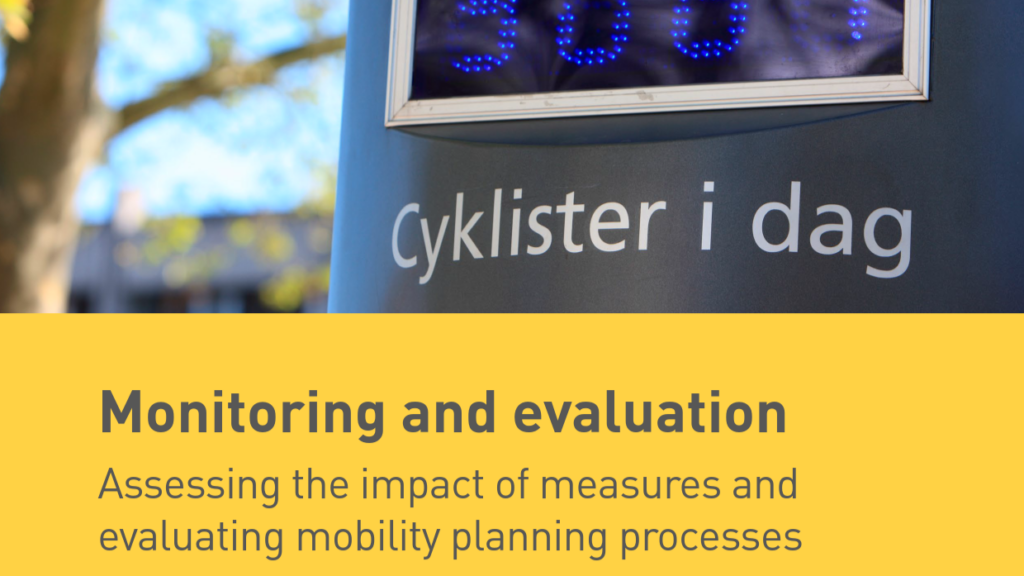
SUMP Monitoring and Evaluation Kit
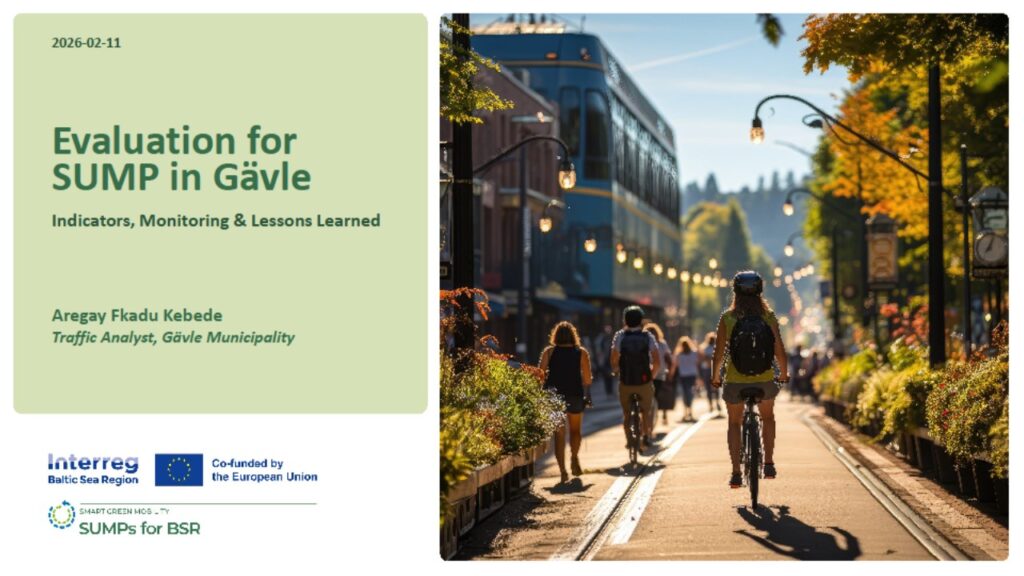
Evaluation for SUMP in Gävle Indicators, Monitoring & Lessons Learned
Choosing Mobility Indicators: process, indicator examples, and monitoring methodologies
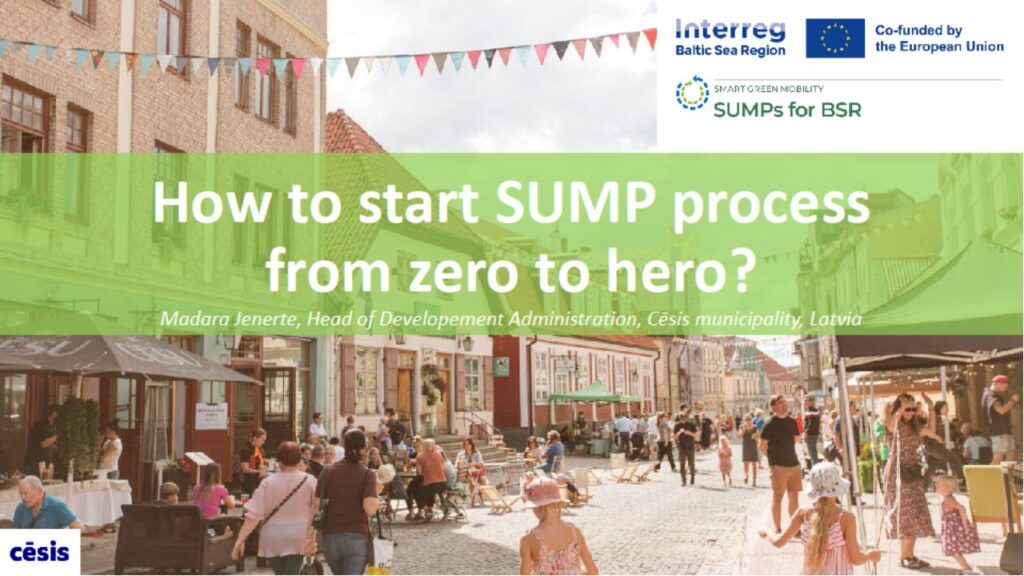
How to start SUMP process from zero to hero
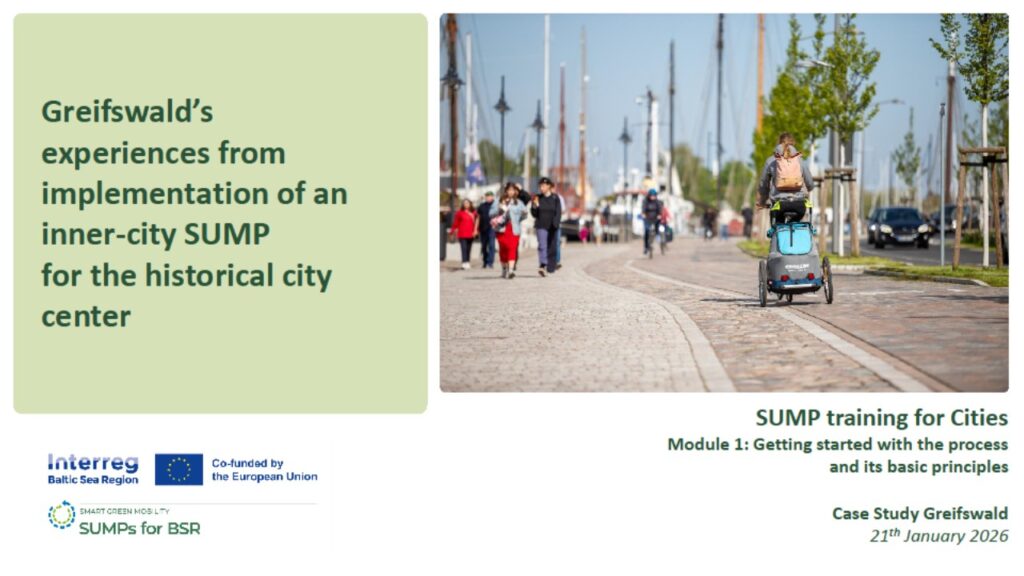
Greifswald’s experiences from implementation of an inner-city SUMP for the historical city center
Tested approaches for the collection of data on active modes and lessons learned
Model for experimenting with active mobility measures
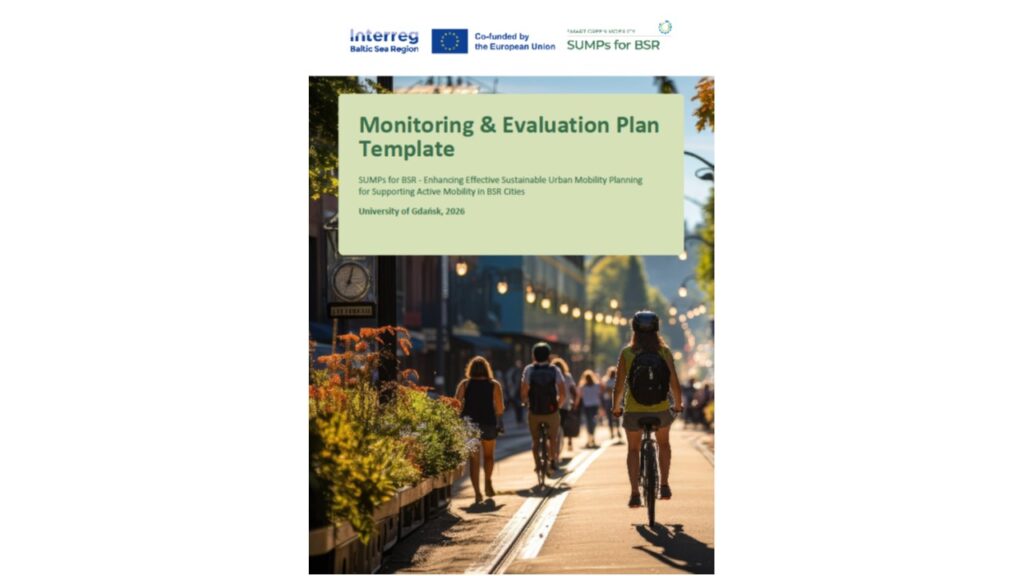
Monitoring and Evaluation plan template
Home

SUMPs

Training

About us

Privacy Policy
Accessibility statement

© 2025 The Baltic Sea Region Competence Centre on SUMP was developed within the project SUMPs for BSR – Enhancing effective Sustainable Urban Mobility Planning for supporting active mobility in BSR cities. SUMPs for BSR project, co-funded by the Interreg BSR programme, is supporting transition to sustainable urban mobility planning.