Skip to content
Home
SUMPs
SUMPs in Practice
Country profiles
Training
SUMP basic principles
Monitoring and evaluation
Data for active modes
Small scale experiments
Stakeholders engagement
Events
Tools & Resources
BSR SUMP Knowledge Hub
About us
Home
SUMPs
SUMPs in Practice
Country profiles
Training
SUMP basic principles
Monitoring and evaluation
Data for active modes
Small scale experiments
Stakeholders engagement
Events
Tools & Resources
BSR SUMP Knowledge Hub
About us
Filters
Filters
Country or geographical area
Baltic Sea Region
(28)
Denmark
(0)
Estonia
(0)
EU
(19)
Finland
(3)
Germany
(3)
Latvia
(4)
Lithuania
(3)
Norway
(0)
Poland
(3)
Sweden
(4)
Document contents
checklists
(3)
data
(18)
general information
(17)
good practices
(28)
indicators
(12)
recommendations
(26)
step-by-step instructions
(7)
Document language
Danish
(0)
English
(61)
Estonian
(0)
Finnish
(0)
German
(0)
Latvian
(0)
Lithuanian
(0)
Norwegian
(0)
Polish
(0)
Swedish
(0)
Document topic
accessibility
(13)
climate
(11)
cycling
(21)
electromobility and zero-emission transport
(2)
private cars and parking policy
(16)
public transport
(13)
road safety
(14)
shared mobility
(3)
urban logistics
(3)
walking
(20)
Scale of application
Baltic Sea Region
(6)
city
(21)
country
(0)
EU
(1)
functional or metropolitan area
(5)
region
(1)
Stage in the SUMP process
action plan
(10)
diagnosis
(17)
financing
(2)
implementation
(16)
monitoring and evaluation
(29)
participation
(17)
vision and objectives
(10)
Target audience
civil society organisations
(3)
planners
(36)
political decision-makers and public officials
(28)
researchers
(2)
residents
(8)
transport operators
(3)
Type of material
case study
(14)
framework
(5)
guidelines
(12)
handbook
(13)
presentation
(13)
report
(5)
SUMP plan
(4)
tool / template
(12)
training material
(8)
Clear filters
Promoting walking and cycling: a toolkit of policy options by WHO
Document presents a practical, evidence-informed framework to help governments, planners and mobility professionals strengthen active mobility as a central component of healthy and sustainable urban environments.
Handbook for Participatory Urban Planning developed by the Interreg CB project HEAT
The handbook presents a practical, experience-based guide to support more inclusive, data-informed, and health-oriented urban planning processes.
BATS: Year-Round Active Mobility Monitoring Guidance user manual
The Guidance is designed to assist public authorities in effectively monitoring active mobility and evaluating the impact of various interventions.
International Walking Data Standard developed by WALK21 Foundation
This standard provides guidance that ensures all travel surveys provide a complete and accurate mobility data collection which allows for comparisons between cities and countries.
Supporting and encouraging cycling in sustainable urban mobility planning developed by the European Cyclists’ Federation
This guideline highlights the importance of data collection in planning, implementing, and evaluating cycling policies within SUMP.
Evaluation matters — A practitioners’ guide to sound evaluation for urban mobility measures
This practitioner-oriented handbook explains how to design and implement sound evaluations for urban mobility measures.
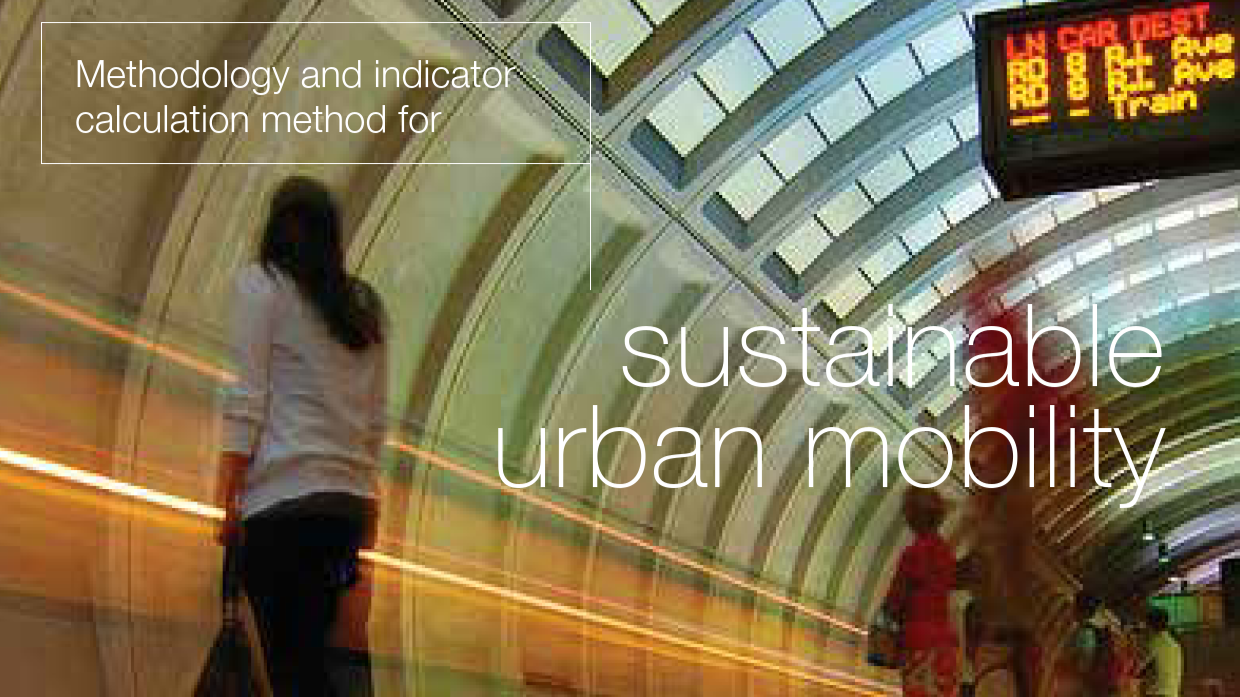
Methodology and indicator calculation method for sustainable urban mobility
This method, produced by the World Business Council for Sustainable Development (WBCSD), sets out the results of a piece of work to develop a comprehensive set of sustainable mobility indicators for cities.
SUMP Monitoring and Evaluation Kit
The Kit looks at designing the process of monitoring and evaluation, choosing suitable indicators and data and selecting the most appropriate data presentation, analysis and evaluation methods.
SUMP Measure Selection Kit
The Kit provides guidance on identifying the most appropriate packages of measures to meet a city’s policy objectives.
SUMP Institutional Cooperation Kit
The Kit supports mobility practitioners in improving geographic, political, administrative and interdepartmental cooperation in SUMP development and implementation.
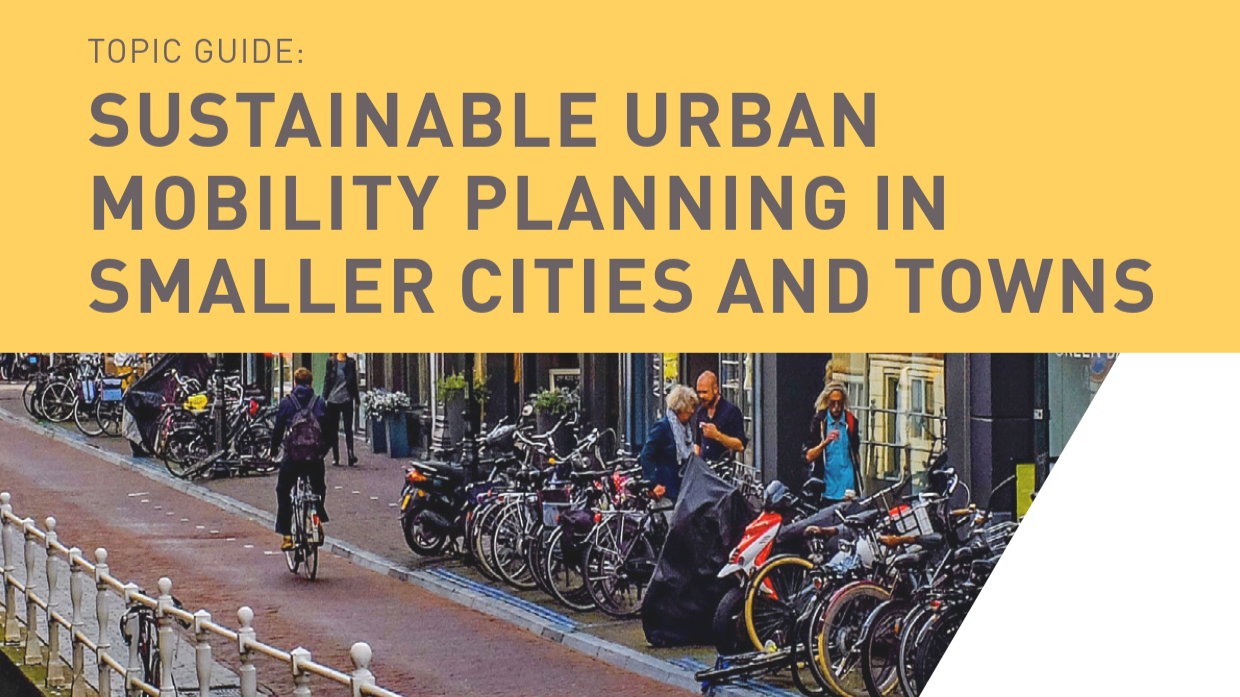
Topic Guide: Sustainable Urban Mobility Planning in Smaller Cities and Towns
The guide provides planning methods, tools, and policies that have proven to work well in smaller urban areas.
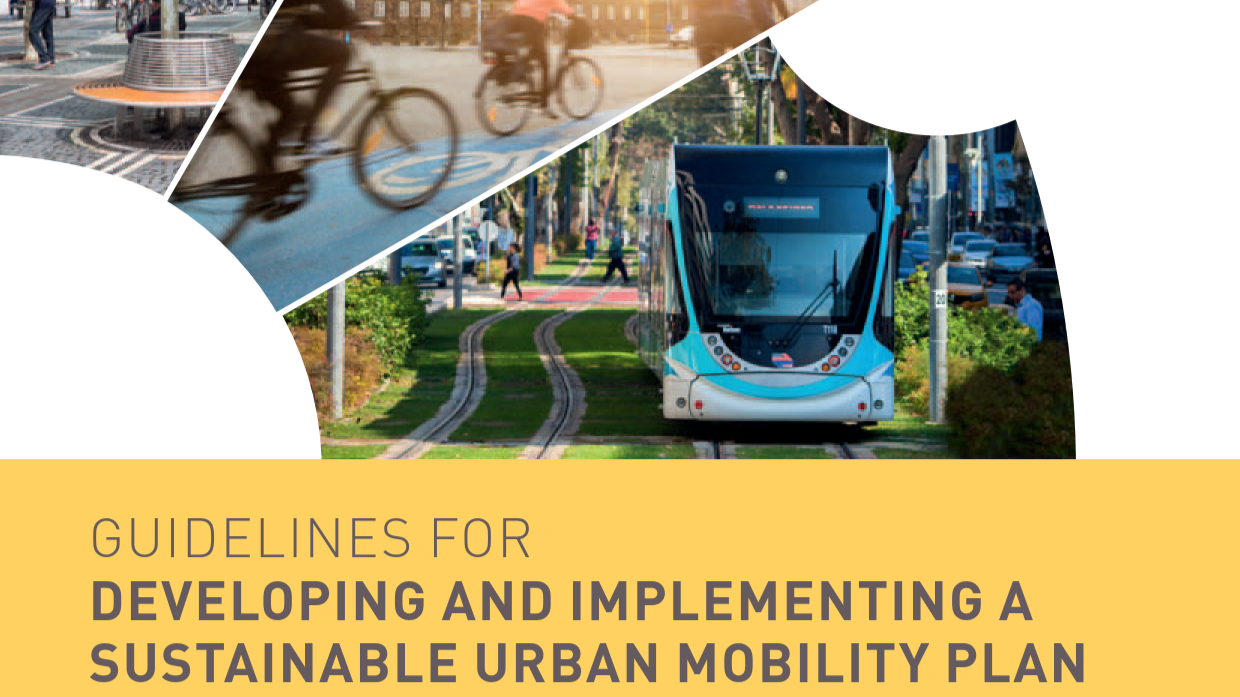
Guidelines For Developing and Implementing a Sustainable Urban Mobility Plan
A step-by-step description of the SUMP implementation and co-creation process.
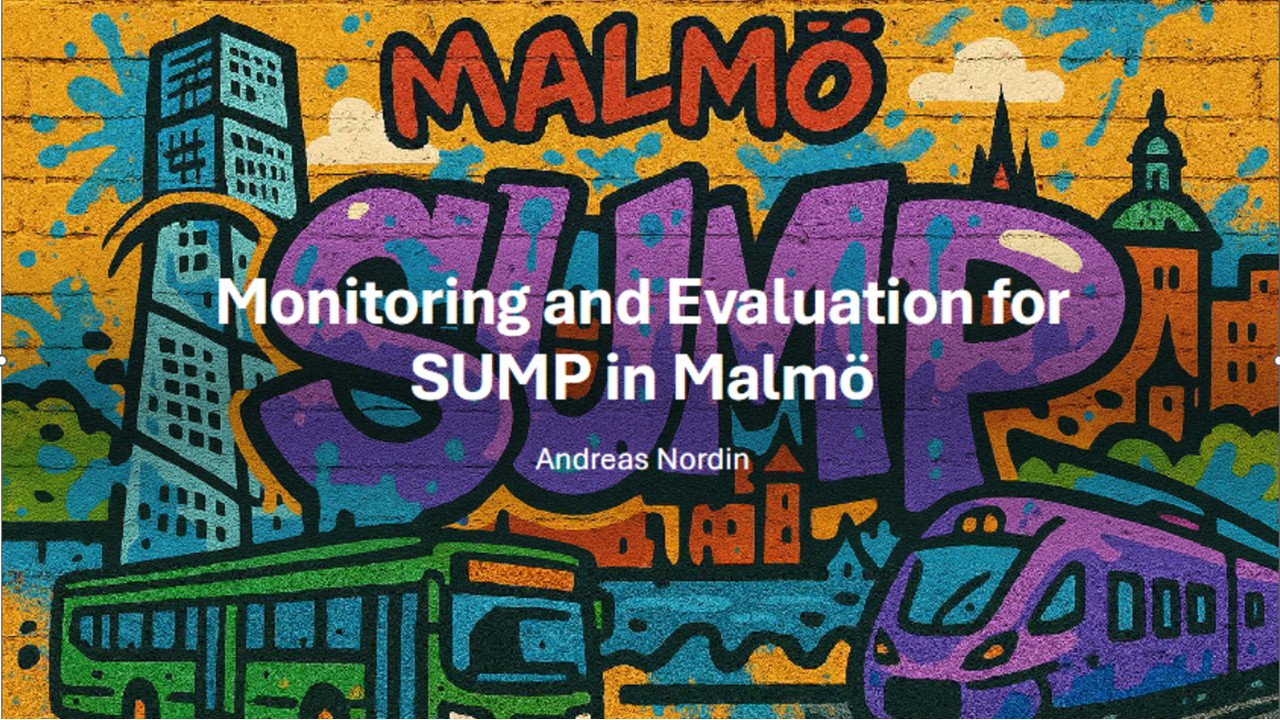
Monitoring and Evaluation for SUMP in Malmö
Integrate SUMP monitoring with planning, budgeting and modal split targets.
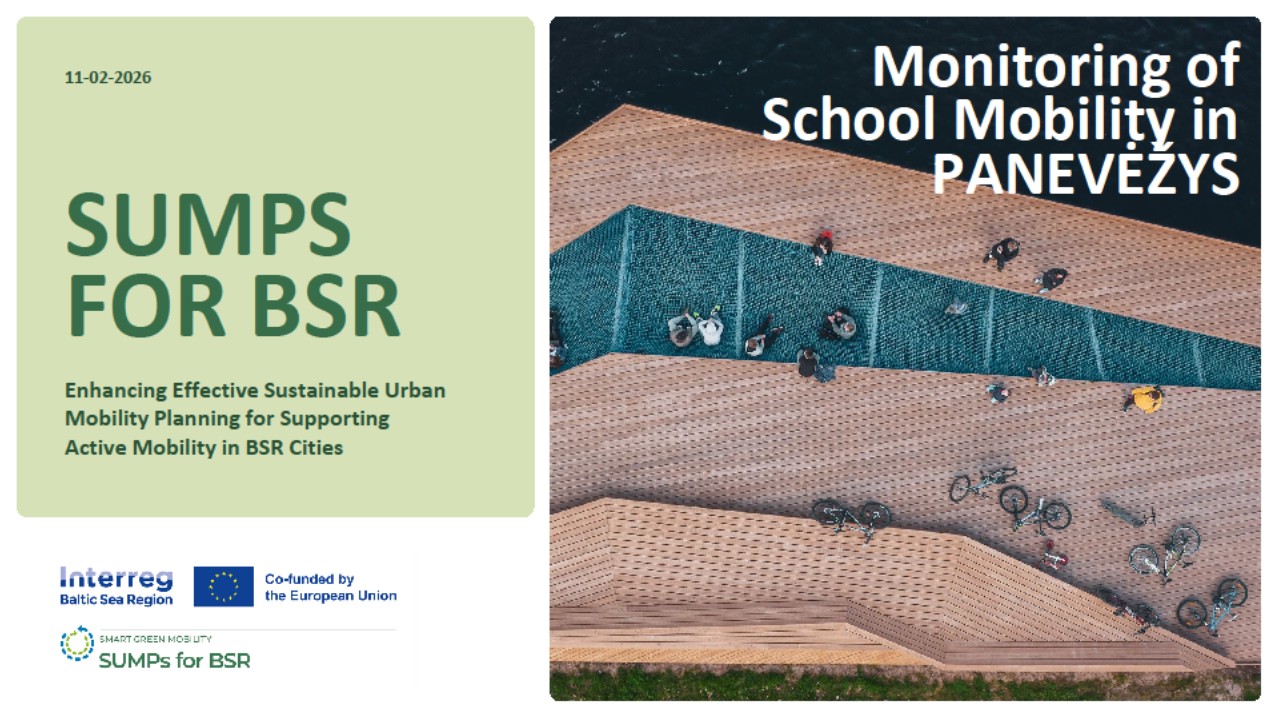
Monitoring of School Mobility in Panevėžys
Monitor school mobility by assessing active mobility data, infrastructure gaps and bicycle parking.
Evaluation for SUMP in Gävle Indicators, Monitoring & Lessons Learned
Connect SUMP indicators with climate goals, modal shift targets and monitoring lessons.
Developing Monitoring for Sustainable Mobility in a Small City
Develop a simple monitoring approach for a small city using local data and cooperation.
Choosing Mobility Indicators: process, indicator examples, and monitoring methodologies
Select indicators, monitoring methods and data sources for evaluating SUMP progress.
Basic Principles of Monitoring and Evaluation Framework
Understand how monitoring and evaluation support SUMP implementation, accountability and learning.
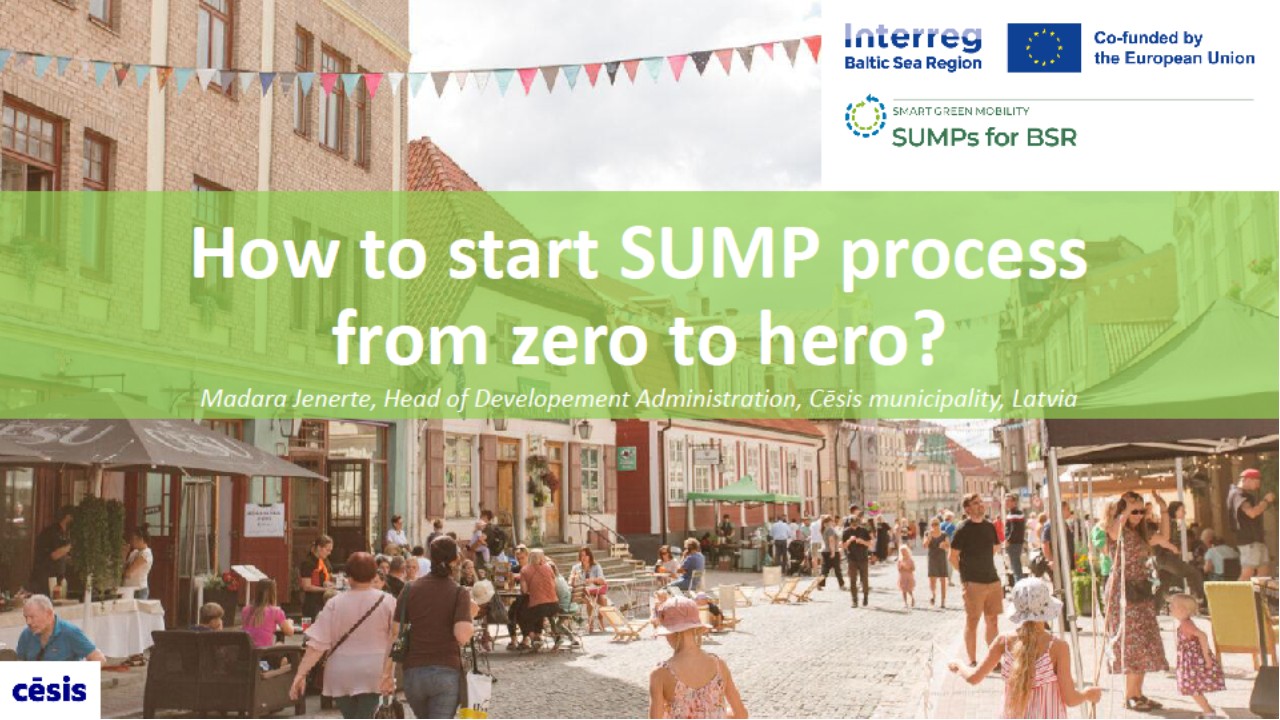
How to start SUMP process from zero to hero
Start a SUMP-related process using existing strategies, local data and simple indicators.
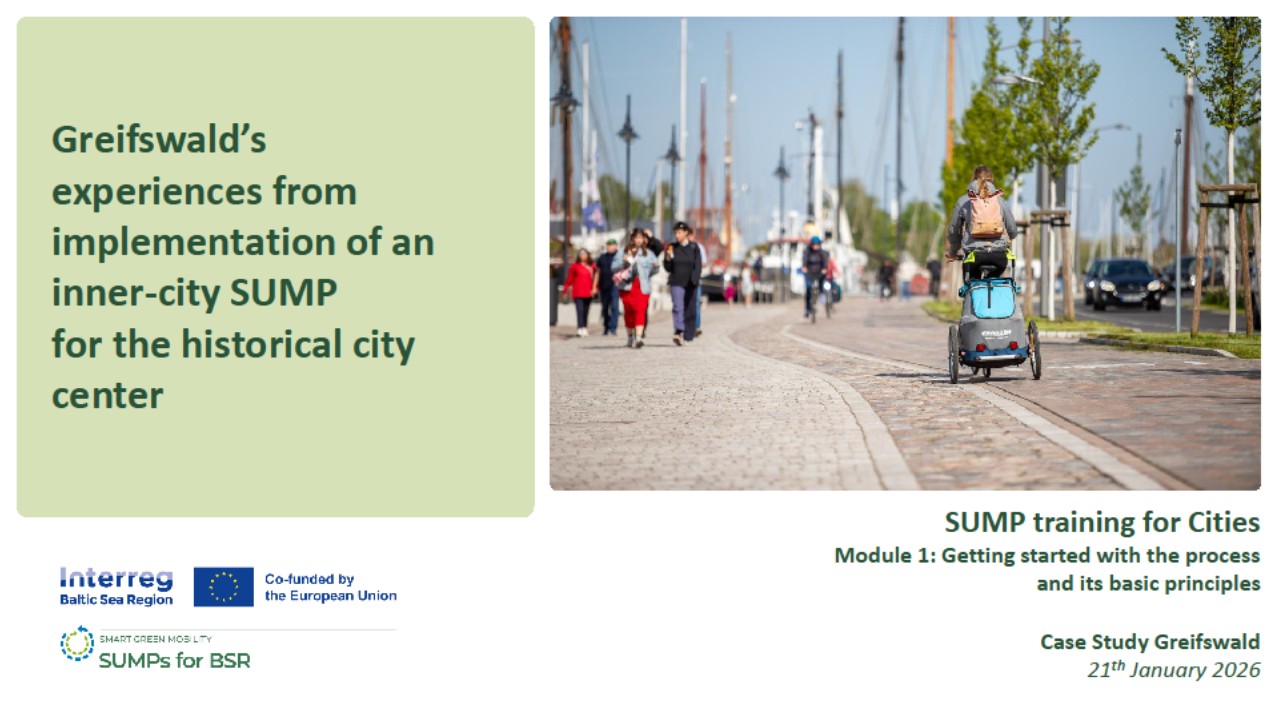
Greifswald’s experiences from implementation of an inner-city SUMP for the historical city center
Address through-traffic, parking pressure and communication challenges in a historic city centre.
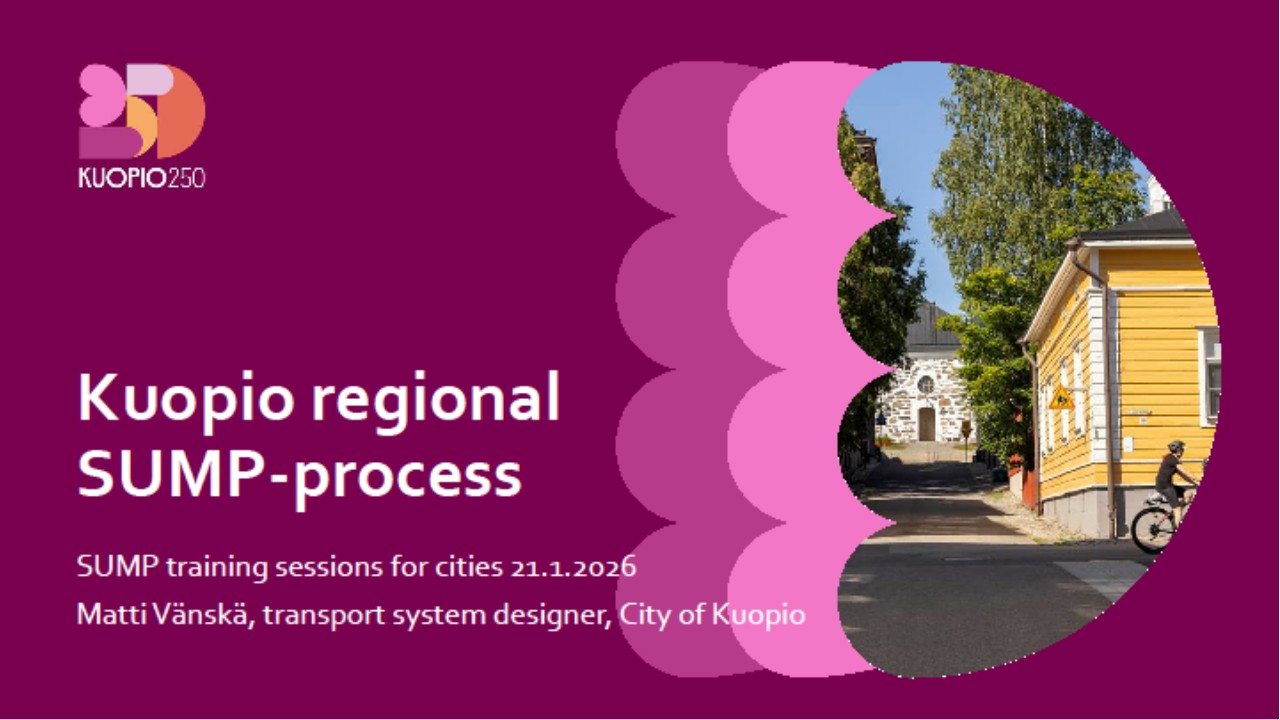
Kuopio regional SUMP-process
Organise a regional SUMP process with shared objectives, measures and monitoring.
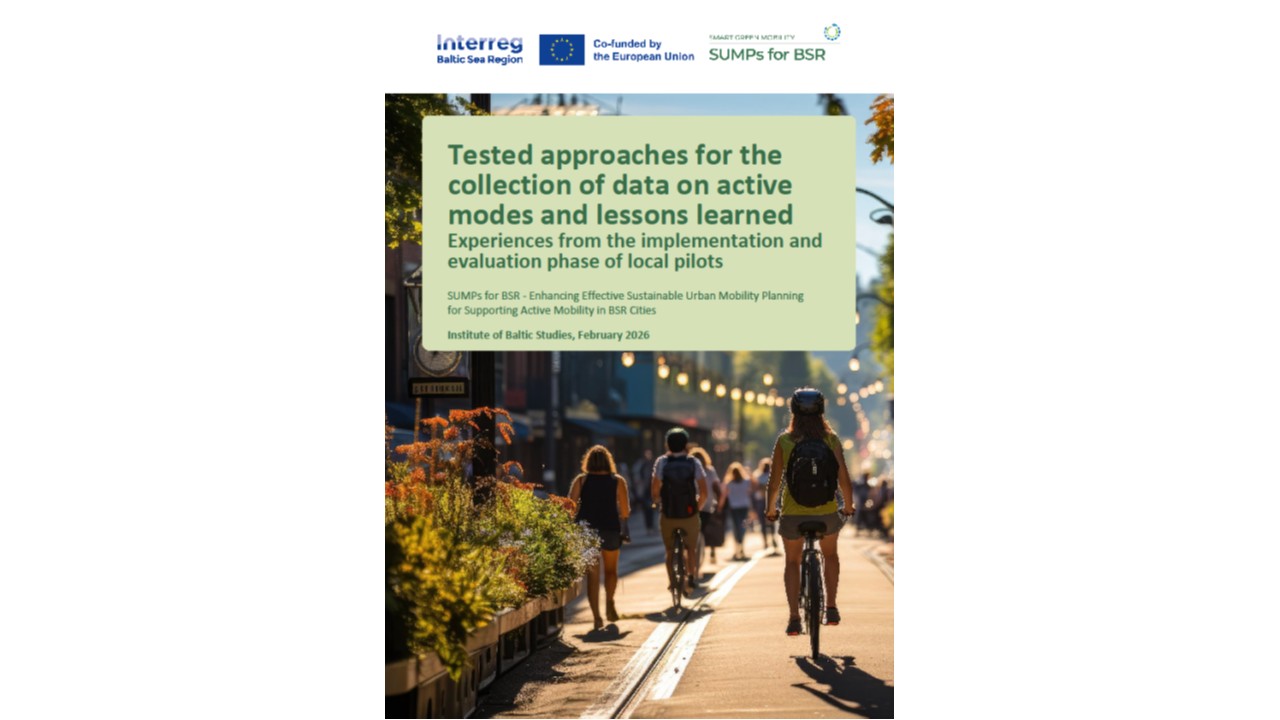
Tested approaches for the collection of data on active modes and lessons learned
Collect, compare and interpret data on walking and cycling during local pilots.
Model for experimenting with active mobility measures
Review this example when planning a digital campaign to encourage residents to cycle for short daily commutes, especially as a complement to infrastructure measures.
Using digital tools to support public space transformation in Gdynia
Review this example when looking for ways to use visualisations and digital tools to explain planned public space changes to residents.
Testing fixed and mobile bicycle parking solutions in Greifswald
Review this example when assessing whether fixed or mobile bicycle parking solutions can better respond to local demand and pressure on public space.
Temporary cycling lanes and roofed bicycle sheds in Cēsis Municipality
Review this example when planning to test temporary cycling lanes or covered bicycle parking in a small town with limited infrastructure for everyday cycling.
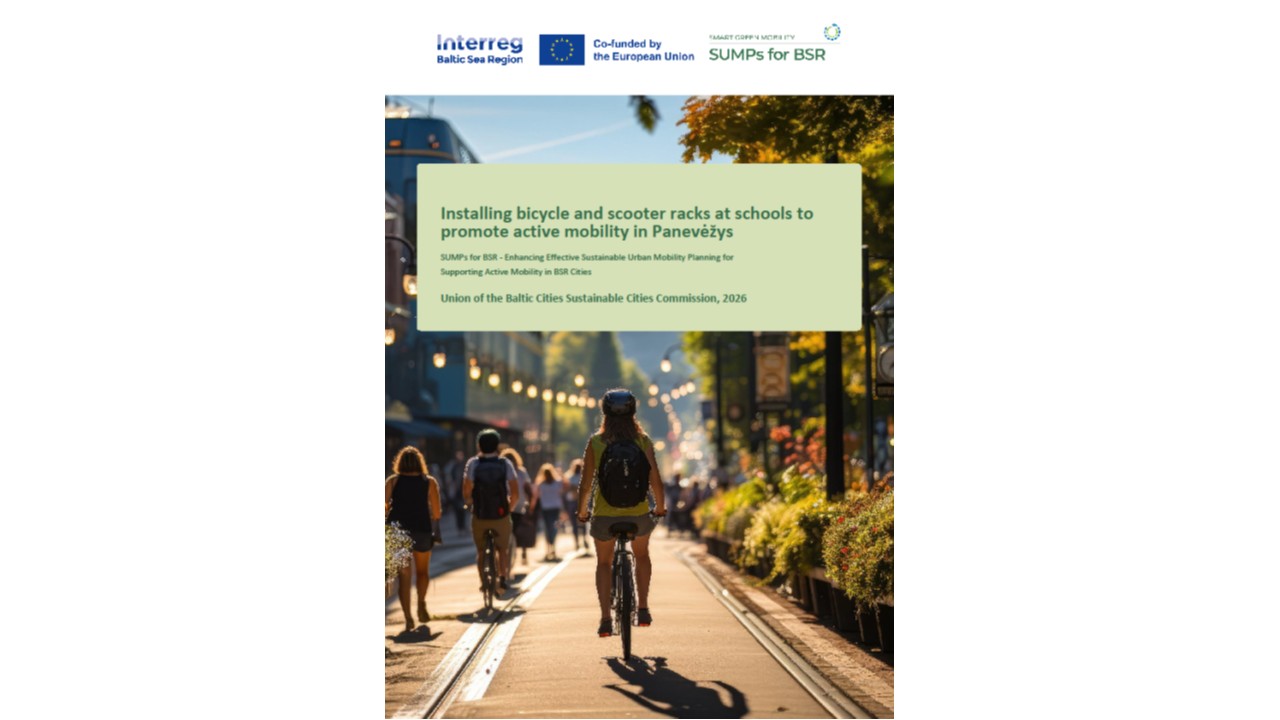
Installing bicycle and scooter racks at schools to promote active mobility in Panevėžys
Review this example when looking for a practice showing how low-cost school infrastructure can support active mobility and monitoring of results.
Implementing a neighbourhood mobility hub to support everyday commute in Turku
Review this example when exploring how a neighbourhood mobility hub can support everyday commuting and reduce residents’ reliance on private cars.
Previous
Next