
Skip to content
  • Home
  • SUMPs
    • SUMPs in Practice
    • Country profiles
  • Training
    • SUMP basic principles
    • Monitoring and evaluation
    • Data for active modes
    • Small scale experiments
    • Stakeholders engagement
  • Events
  • Tools & Resources
    • BSR SUMP Knowledge Hub
  • About us
  • Home
  • SUMPs
    • SUMPs in Practice
    • Country profiles
  • Training
    • SUMP basic principles
    • Monitoring and evaluation
    • Data for active modes
    • Small scale experiments
    • Stakeholders engagement
  • Events
  • Tools & Resources
    • BSR SUMP Knowledge Hub
  • About us

Document language: English

Guidelines & recommendations for other cities/urban areas on the SCALE-UP strategies for vertical & horizontal upscaling 1 and 2
SCALE-UP: Report on drivers and barriers in governance and co-operation strategies for integration
SCALE-UP: D3.2 Final Report on Design of multimodal hubs and network optimization
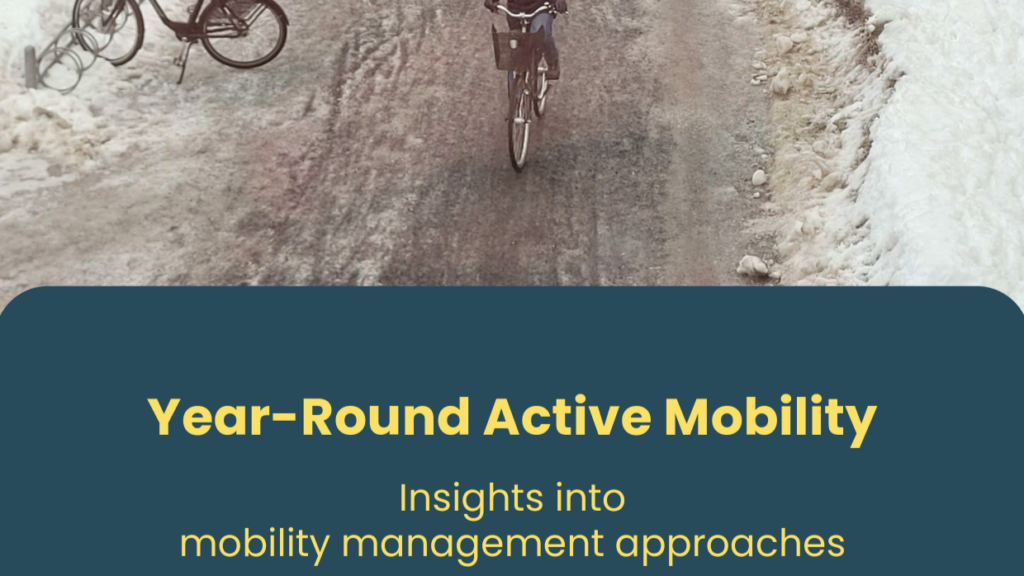
BATS: Year-round Active Mobility Thematic Insights
BATS: Citizen Activation Guide: Promoting Year-Round Active Mobility (YRAM)
Monitoring Guidance in a Nutshell
BATS: Diagnostics and Interventions Toolkit
D5.3 Lessons learned and solution portfolio of clean and safe mobility solutions, strategies demonstrated in the urban nodes
Toolbox for behavioural change
Urban nodes handbook
Next →

Home

SUMPs

Training

Events

Tools & Resources

About us

Privacy Policy
Accessibility statement

© 2025 The Baltic Sea Region Competence Centre on SUMP was developed within the project SUMPs for BSR – Enhancing effective Sustainable Urban Mobility Planning for supporting active mobility in BSR cities. SUMPs for BSR project, co-funded by the Interreg BSR programme, is supporting transition to sustainable urban mobility planning.